

Home Automation in Abu Dhabi: How to Plan a Smart Villa System
Smart home technology is becoming increasingly popular among villa owners in Abu Dhabi. From automated lighting and climate control to smart security and remote property monitoring, a well-planned home automation system can make a villa more comfortable, secure, and energy-efficient.
However, creating a smart villa is more than installing a few connected devices. The system needs to be planned around the villa’s layout, electrical infrastructure, lifestyle requirements, security needs, and future technology upgrades.
If you are considering home automation in Abu Dhabi, this guide explains the key steps to planning a practical and scalable smart villa system.
What Is Home Automation?
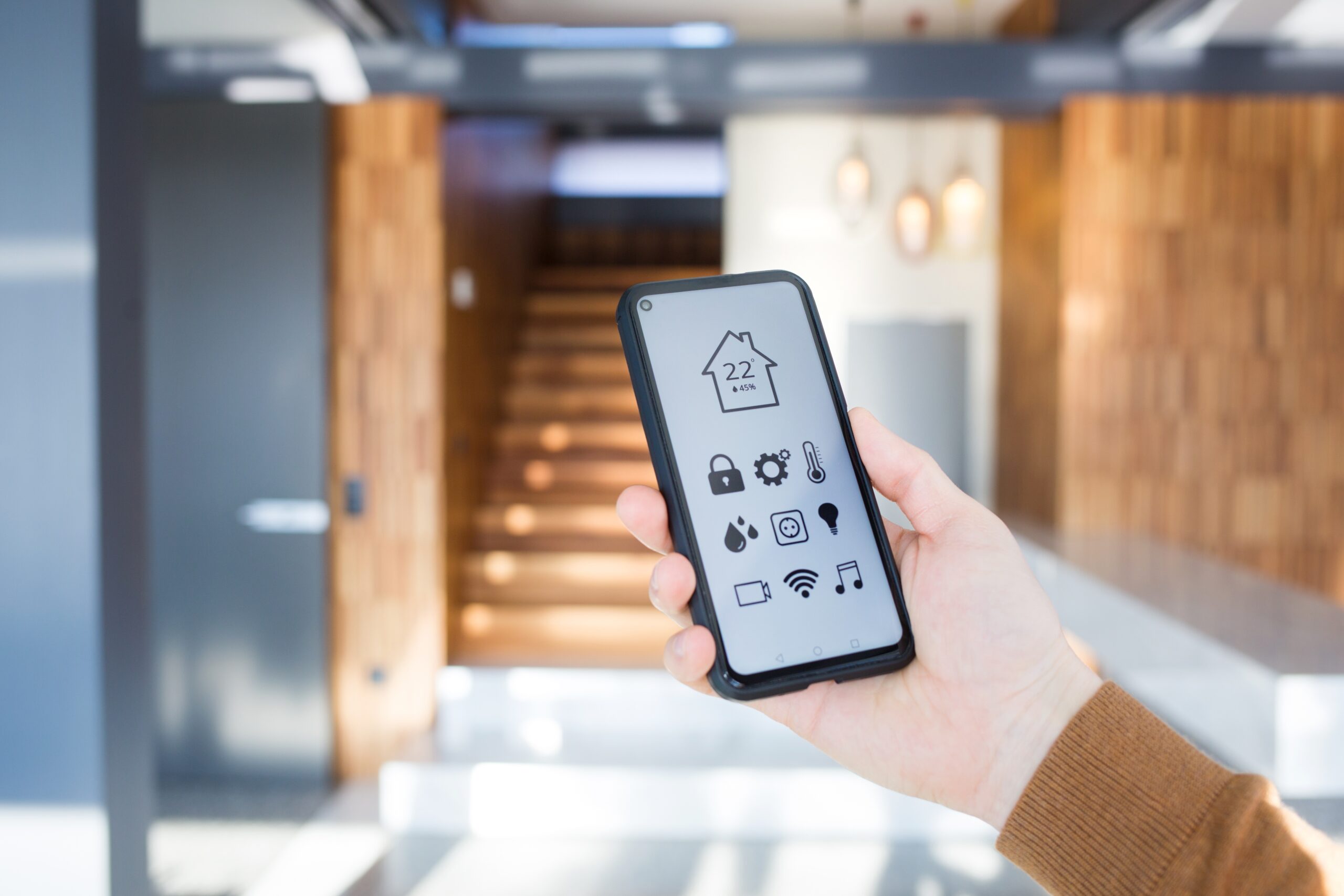
Home automation refers to the use of connected devices and control systems to automate different functions within a property. These systems can allow homeowners to control lighting, air conditioning, curtains, security cameras, door locks, entertainment systems, and other appliances through a smartphone, tablet, voice assistant, or central control panel.
For a home automation villa in Abu Dhabi, automation can be particularly useful because homeowners can manage their property’s climate, lighting, security, and energy consumption even when they are away.
Why Consider Home Automation in Abu Dhabi?
The climate and lifestyle in Abu Dhabi make smart home technology particularly useful. High temperatures mean air conditioning can account for a significant portion of household energy consumption, while large villas may have multiple rooms and outdoor areas that require separate controls.
A smart villa system can help homeowners:
- Control air conditioning remotely
- Automate lighting according to schedules or occupancy
- Monitor doors, windows, and entry points
- Manage smart locks and access
- Monitor the property through security cameras
- Control curtains and blinds
- Automate outdoor lighting and irrigation
- Track and potentially reduce energy consumption
- Create customized scenes for different activities
The goal should not simply be to install as many smart devices as possible. Instead, automation should solve specific household needs.
Step 1: Assess Your Villa Before Installing Automation
The first step is to evaluate the property. Consider the villa’s size, number of floors, rooms, outdoor spaces, existing electrical wiring, internet coverage, and HVAC configuration.
For a new villa, automation can be incorporated during the construction and electrical planning stage. This can make it easier to install wiring, sensors, control panels, and other infrastructure.
For an existing villa, wireless technologies can reduce the need for major modifications, although some systems may still require professional electrical or networking work.
Create a room-by-room automation plan before purchasing devices.
Step 2: Prioritize the Main Smart Home Functions
A smart villa can include many different technologies, but it is generally better to start with the functions that provide the most practical value.
Smart Lighting
Smart lighting allows homeowners to control individual lights, groups, or entire zones. You can create schedules, use motion sensors, or create scenes such as “Movie Night,” “Away,” or “Good Morning.”
For outdoor areas, automated lighting can also improve convenience and security.
Smart Climate Control
Air conditioning is one of the most important systems to consider when planning home automation in Abu Dhabi.
Smart thermostats and HVAC controls can allow homeowners to adjust temperatures remotely and create schedules based on occupancy. Zoning can also help prevent unnecessary cooling in rooms that are not being used.
Smart Security
Security should be another major component of a smart villa system. Depending on the property’s requirements, this can include:
- Smart door locks
- Video doorbells
- Security cameras
- Motion sensors
- Door and window sensors
- Alarm systems
- Smart gates
These systems can provide notifications when unusual activity is detected and allow homeowners to monitor the property remotely.
Step 3: Plan Your Smart Home Network
A reliable network is the foundation of a connected villa. Even the best smart devices will not perform well if Wi-Fi coverage is weak.
Large Abu Dhabi villas may require multiple access points or a professionally designed mesh Wi-Fi network. Consider the location of routers, access points, security cameras, smart TVs, control panels, and other connected devices.
It is also important to separate critical smart-home devices from guest or general household networks where appropriate.
Step 4: Choose a Central Control System
One common mistake is purchasing devices from different ecosystems without checking compatibility.
Before selecting products, decide how you want to control the home. Depending on the system, homeowners may use a mobile application, wall-mounted panels, voice assistants, or a combination of these.
Ideally, lighting, climate control, security, curtains, and entertainment should work together through a unified automation platform.
This allows homeowners to create scenes rather than controlling every device individually.
For example, an “Away” scene could switch off selected lights, adjust the thermostat, lock smart doors, close curtains, and activate security monitoring with one command.
Step 5: Consider Energy Management
Energy management should be part of the planning process, especially in a villa where cooling requirements can be substantial.
Smart thermostats, occupancy sensors, automated lighting, and energy monitoring can help homeowners understand how energy is being used.
Automation can also be programmed to reduce unnecessary operation when rooms are empty. For example, lights can switch off automatically when no movement is detected, while temperature settings can be adjusted according to schedules.
Smart technology does not automatically guarantee lower energy bills, but properly configured automation can help reduce unnecessary consumption.
Step 6: Build Security and Remote Monitoring Into the System
A smart villa should remain manageable even when the homeowner is travelling.
Remote monitoring can allow homeowners to check security cameras, receive alerts, verify whether doors are locked, and monitor selected systems through a smartphone.
This is particularly useful for villas that remain unoccupied for extended periods.
However, cybersecurity should also be considered. Strong passwords, updated firmware, secure networks, two-factor authentication where available, and reputable technology providers can help protect connected devices.
Step 7: Plan for Future Expansion
Technology changes quickly, so avoid designing a system that cannot be expanded.
Choose a platform and infrastructure that can accommodate additional devices in the future. You may initially automate lighting, AC, and security and later add smart curtains, irrigation, entertainment, EV charging, solar monitoring, or additional sensors.
Planning spare network capacity and appropriate electrical infrastructure can make future upgrades easier.
How Much Does Home Automation Cost in Abu Dhabi?
The cost of home automation in Abu Dhabi depends on the villa’s size, the number of automated functions, the technology selected, wiring requirements, and the level of customization.
A basic smart-home setup may focus on lighting, thermostats, and selected security devices. A premium villa automation system can integrate lighting, HVAC, security, entertainment, curtains, access control, networking, and centralized control.
Instead of choosing a system solely based on its upfront price, consider installation quality, compatibility, maintenance, scalability, and long-term support.
Common Mistakes to Avoid
When planning home automation in Abu Dhabi, avoid installing devices without a clear system architecture. Buying individual smart products because they are inexpensive can create compatibility problems later.
Other mistakes include:
- Ignoring Wi-Fi coverage
- Automating unnecessary functions
- Choosing incompatible ecosystems
- Not planning for future expansion
- Neglecting cybersecurity
- Installing security devices without considering privacy
- Failing to account for maintenance and software updates
Professional planning can help prevent these problems.
Final Thoughts
Home automation in Abu Dhabi can transform a villa into a more connected, convenient, and manageable living environment. The most effective approach is to begin with the homeowner’s actual requirements and then build a system around lighting, climate control, security, networking, and energy management.
Whether you are building a new villa or upgrading an existing property, plan the infrastructure first, prioritize essential functions, select compatible technologies, and leave room for future expansion.
A well-designed smart villa system should not make technology more complicated. It should make everyday life simpler while giving homeowners greater control over their property.
Subscribe to our
newsletter.
Get valuable strategy, culture, and brand insights straight to your inbox.
By signing up to receive emails from Motto, you agree to our Privacy Policy. We treat your info responsibly. Unsubscribe anytime.